Online Private Spanish Tutor for Children
Give your child the advantage of one-to-one Spanish lessons designed to inspire confidence and fluency from the very first class.
The Dominance of Structured Learning Over Casual Apps
In 2024, the "Structured Tutoring" segment commanded over 61% of the global K-12 online tutoring market. Why It Matters: This data point from Market.us proves that parents are abandoning gamified, casual learning apps in favor of systematic, curriculum-aligned instruction. The market is shifting decisively toward the rigorous, guided methodologies that private tutors provide.
Source: Market.us, "Global K-12 Online Tutoring Market Analysis" 2024.
The Importance of an Online Private Spanish Tutor for Your Children
When Julia’s parents enrolled her in a traditional Spanish class, they thought they were giving her a head start. Instead, they watched her enthusiasm fade week after week. She was too shy to speak up in a room full of children, and the rigid lessons left her feeling lost and unmotivated. What they didn’t realize was that the problem wasn’t Julia’s ability, it was a lack of understanding about how children truly learn languages effectively. Like many parents, they didn’t know that learning Spanish online with a private tutor could transform the entire experience making it fun, interactive, and personalized to their child’s unique learning style.
This kind of gap in knowledge is what often holds families back from unlocking their children’s full linguistic and cognitive potential. Understanding how online Spanish tutoring works isn’t just about learning a new educational trend, it’s about giving your child the confidence and skills they need to thrive in an increasingly globalized world.
Keep reading to the end to discover why an online private Spanish tutor might be the key your child needs to fall in love with language learning and finally start speaking with confidence.
Online Private Spanish Tutor for Children: The Key to Fun and Effective Language Learning

When it comes to learning a new language, children have a natural advantage: curiosity, flexibility, and a love for play. But how can parents make sure that their child learns Spanish not just quickly, but effectively? That’s where an online private Spanish tutor for children becomes a powerful ally. In this complete guide, we’ll explore what makes these tutors so effective, how online learning works, and why this approach might be exactly what your child needs to succeed in a global world.
Why Choose an Online Private Spanish Tutor for Kids?
Learning Spanish online with a private tutor offers more than just convenience; it brings personalized attention, cultural immersion, and fun right to your living room.
1. Personalized and Flexible Learning
Every child learns differently. Some kids love songs and games, while others learn best through visuals or storytelling. A good online tutor can identify your child’s strengths and adapt lessons to match their pace.
For example, Julia, a friend’s daughter, struggled in her group Spanish class because she was too shy to participate. Once her parents hired an online private tutor, the difference was noticeable: the tutor built lessons around Julia’s favorite cartoon characters and used interactive games like “Spanish charades.” Within a few months, Julia went from saying “hola” timidly to speaking full sentences with confidence.
2. Comfort and Confidence through Online Platforms
Children feel safe and relaxed at home, and that comfort helps them learn. With video platforms such as Zoom or Google Meet, tutors can create engaging virtual lessons filled with games, flashcards, and even virtual tours of Spanish-speaking countries. It’s not about memorizing grammar rules but experiencing Spanish as part of daily life, just like your child naturally learned their first language.
3. Building Cultural Awareness Early
Language and culture go hand in hand. When a child learns Spanish, they also discover traditions, songs, and everyday expressions from places like Mexico or Spain. Good tutors don’t just teach vocabulary, they teach connection.
Imagine your child learning how to greet someone in Spain (“¡Hola!”) versus in Mexico (“¡Qué onda!”). These small cultural nuances build empathy and a broader worldview. In today’s world, that is invaluable.
4. Addressing the Gap in Public Education: A common mistake many parents make is relying solely on school programs. Parents are understanding that the traditional classroom setting often lacks the frequency and individualized feedback required for true fluency acquisition.
How Does an Online Spanish Tutor Keep Kids Engaged?
You might wonder, “Will my child really pay attention during an online class?” It’s a valid concern. However, experienced online Spanish tutors know how to integrate interactive, movement-based, and visual learning strategies tailored specifically for younger learners.
1. Interactive Tools and Techniques
Most tutors use digital resources that turn lessons into games. These may include:
- Virtual flashcards with colorful animations.
- Storytelling through illustrations, songs, and short videos.
- Role-play exercises to build practical vocabulary (for example, “ordering ice cream in Spanish”).
A common mistake parents make is focusing only on grammar drills. Children absorb structure naturally through repetition and context, not through memorizing rules. If you’ve ever seen your child repeat lines from their favorite show without effort, you’ve already witnessed how powerful contextual learning can be.
2. Parental Involvement Enhances Results
You don’t need to speak Spanish to support your child’s learning. Encourage them to teach you a new word after each lesson. Make it a game: whoever forgets the word first does the dishes! This small act builds memory and shows your child that learning has value beyond the screen.
Some parents even set up a “Spanish corner” at home, where flashcards, mini flags from Spanish-speaking countries, and a whiteboard make daily practice a visual delight.
3. Short, Consistent Sessions Work Best
According to research published by the American Council on the Teaching of Foreign Languages, consistent exposure and short sessions (around 25–50 minutes) are more effective for children than long, infrequent lessons. Frequent repetition keeps the language fresh in their minds and stops lessons from feeling like schoolwork.

What to Look for When Choosing an Online Spanish Tutor
Finding the right tutor can feel overwhelming, but breaking it into steps helps.
1. Check Experience and Teaching Style
Look for certified teachers who specialize in children’s education or have experience with Montessori or communicative teaching methods. Ask for a trial session, most tutors offer the first class free or at a discounted rate. During this session, pay attention to how your child reacts. Are they smiling? Talking? Asking questions? These are signs you’ve found a great match.
2. Evaluate the Tools and Curriculum
In practice, tutors who combine structured teaching (like using CEFR-aligned materials) with playful activities are the most successful. For example, one tutor we know, Aura, includes Spanish songs, drawing activities, and spontaneous conversations. Her students don’t even realize they’re learning, they’re just having fun.
3. Communication and Progress Tracking
A good tutor will provide regular updates on your child’s progress. Look for someone who offers short progress reports or milestone summaries. This not only keeps you informed but helps the child celebrate achievements, like completing their first full conversation in Spanish.
The Process: From Assessment to Fluent Conversation
The expertise of a professional tutor lies in their ability to dynamically adjust their teaching methodology. A one-size-fits-all approach is doomed to fail.
- Initial Diagnostic: The tutor conducts a comprehensive assessment (often referred to as a diagnostic session) to pinpoint specific weaknesses: is it grammar, pronunciation, vocabulary retention, or perhaps conversational confidence?
- Customized Roadmap: The tutor then crafts a bespoke learning plan. For instance, if a student struggles with grammar, the tutor may use a Communicative Language Teaching (CLT) approach, embedding complex structures into conversational activities rather than dry textbook drills.
- Real-Time Adaptation: A common mistake in tutoring is sticking rigidly to a plan. A skilled online Spanish tutor is constantly reading the student’s body language and adjusting the pace or topic instantly. This level of experienced adaptation is the definition of high-value instruction.
This strategic, customized approach ensures your child gains not only academic proficiency but also the confidence to use Spanish in real-world scenarios. This asset translates into future opportunities, as employers increasingly seek candidates with high-level cross-cultural communication skills. The value proposition is clear: We are securing not just a tutor, but a long-term educational strategy.
When and Why to Start Spanish Lessons for Your Child
The earlier, the better, but it’s never too late. Studies from the University of Washington suggest that children exposed to a second language before the age of 10 are more likely to achieve native-like pronunciation. Still, every child’s readiness is personal. Start when your child shows interest in languages or cultures or enjoys music and stories from Spanish-speaking countries. Even if your child is already a teenager, online private lessons can adapt to their rhythm and learning goals.
While children possess remarkable neuroplasticity during the early years (birth to age seven), it is never truly "too late" to begin. However, starting between the ages of 5 and 12 allows for maximum absorption of native phonology and grammar before the critical language learning window begins to narrow.
- For Young Learners (Ages 5-8): The focus should be on immersive, interactive content, utilizing tools like virtual whiteboards and gamified lessons to build core listening and speaking comprehension.
- For Pre-Teens (Ages 9-12): This is the ideal time to introduce structured grammar, conjugation, and literacy, often aligning the private curriculum with upcoming high school or standardized test requirements.
In today’s world, bilingualism is not just an advantage, it’s a necessity. From expanding future career options to improving cognitive skills like problem-solving, the benefits of learning Spanish go beyond communication.
Key Benefits of an Online Private Spanish Tutor for Children
1. Personalized Learning Experience
An online private tutor tailors lessons to your child’s specific learning style, interests, and pace. This one‑on‑one attention helps children progress faster and build confidence in speaking, reading, and writing Spanish.
2. Flexible Scheduling
Families can schedule sessions at times that best suit their routines. Whether it’s after school or on weekends, online tutoring eliminates commuting stress while ensuring consistent language practice.
3. Native‑Level Pronunciation & Cultural Insight
Learning directly from native or fluent Spanish speakers helps children develop natural pronunciation and a genuine understanding of Hispanic cultures, something difficult to achieve through apps or group classes.
4. Enhanced Engagement Through Interactive Tools
Modern online tutoring platforms use games, videos, quizzes, and storytelling to keep young learners engaged. These digital tools make learning Spanish fun, dynamic, and effective.
5. Improved Academic Performance
Regular one‑hour sessions with a private tutor can complement school curricula, helping children strengthen grammar, vocabulary, and conversation skills that often lead to better grades and participation.
6. Builds Confidence & Communication Skills
One‑to‑one interaction encourages children to speak up and express themselves without fear of making mistakes. Over time, this boosts both language fluency and overall self‑confidence.
7. Safe, Convenient & Home‑Based
Parents can rest easy knowing their children are learning from home, in a safe and comfortable environment, without needing to travel or attend crowded classes.
8. Long‑Term Cognitive Benefits
Early exposure to a second language enhances memory, problem‑solving abilities, and creativity. Bilingual children often show improved multitasking and academic performance across subjects.
What is the primary difference between a private tutor and a language learning app for children?
A private tutor offers a customized, one-on-one, structured language program delivered by a certified expert, which is necessary for achieving true fluency and conversational mastery. In contrast, while language apps are excellent for vocabulary and initial exposure, only tutor-led live instruction can provide the complex, real-time, unscripted feedback required to improve accent, situational context, and executive function skills.
At what age should we consider enrolling our child with an online private Spanish tutor?
While the neuroplasticity of the brain is highest in early childhood (ages 0-7), the most strategic time to begin structured, private tutoring is typically between the ages of 5 and 12. Starting in this window allows the child to efficiently absorb native phonology and grammar while also building the core literacy skills necessary for more complex learning, often aligning with upcoming standardized test preparation or high school requirements.
What if my child doesn’t seem motivated at first?
That’s completely normal. Choose a tutor who uses interactive games, songs, and relatable topics. Also, make learning part of daily life: label objects at home in Spanish or watch short cartoons together in Spanish. Over time, your child will naturally warm up to the language.
Final Thoughts
Hiring an online private Spanish tutor for children means giving your child the gift of communication, cultural curiosity, and self-confidence. It combines flexibility, fun, and academic value in a way traditional classes rarely do.
When you see your child greeting someone in Spanish or singing a song they’ve learned in class, that’s when you realize that this isn’t just about learning a language; it’s about opening doors to a bigger, more connected world.
Our Child-Friendly Learning Method includes
Games

Songs

Storytelling

Custom Lessons
Enriching and Enjoyable Material
Positive Feedback

In today's increasingly diverse world, the ability to speak Spanish offers numerous advantages for children. As the second most commonly spoken language in the United States, learning Spanish can open doors to cultural enrichment, academic success, and enhanced communication skills. Generally, Spanish is the most commonly taught second language in schools across the United States, and the state of Texas has a significant Spanish-speaking population. Spoken Learning offers specialized one-on-one lessons for children, providing a fun and effective way for young learners to acquire this valuable language skill.

At Spoken Learning, we understand the unique needs of young learners and provide a nurturing environment for their language development. Our dedicated and certified Spanish Instructors are experienced in working with kids and employ engaging teaching methods to make learning Spanish fun and interactive.
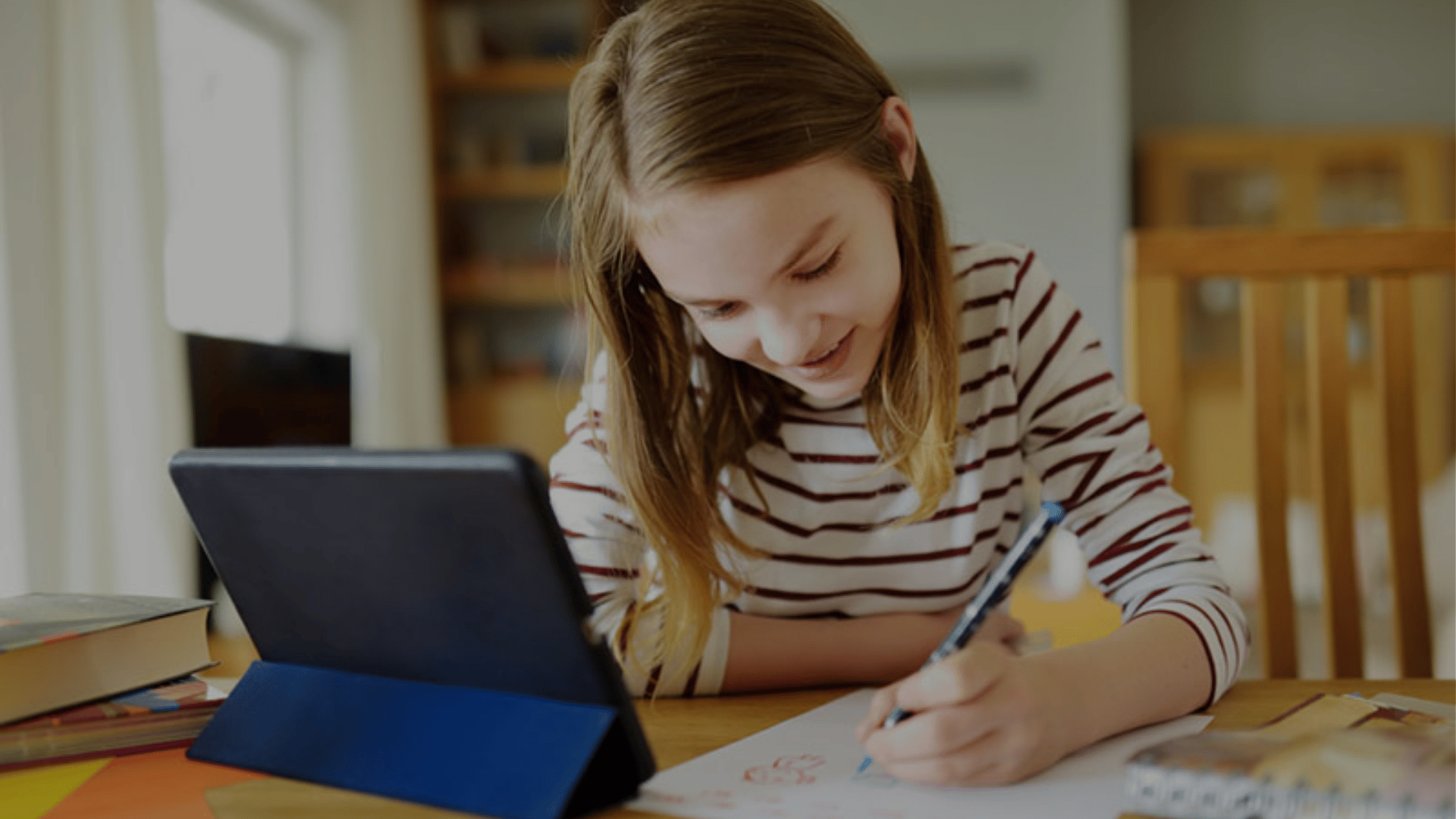
At Spoken Learning, we understand the unique needs of young learners and provide a nurturing environment for their language development. Our dedicated and certified Spanish Instructors are experienced in working with kids and employ engaging teaching methods to make learning Spanish fun and interactive.
More Common Questions
The earlier, the better. Start as young as possible to leverage children's natural language-learning abilities. In Spoken Learning, we begin the instruction from the age of 4 years old, offering specialized lessons for every child.
Ready to Enroll Your Child in Online Spanish Lessons?
Give your child the gift of language with Spoken Learning's one-on-one Online Spanish Courses. Contact us today to enroll your child in our program and embark on a journey of language discovery and growth. Our team of experienced Spanish Instructors for children is here to support your child every step of the way on their path to Spanish fluency and cultural enrichment.
Send us a Message and Claim Your Free Demo Class
Start Learning Spanish Today!
Ready to embark on a journey of language and culture? Join Spoken Learning today and unlock endless opportunities with our online Spanish lessons. Our dedicated native-speaking teachers will tailor learning sessions to your unique style, ensuring your success. Step into a world of connection and enrichment – start your transformative journey now!
At Spoken Learning, we open new doors to opportunity through one-on-one online Spanish courses with a win-win culture and dedicated native-speaking teachers. Our classes are tailored to your needs, adjusting to match your learning style and providing instant personalized feedback to track your progress. Learn, grow, and enrich your life today!