Online Spanish Classes for Construction Workers: Empowering the Workforce
Tailored lessons for real-world construction scenarios: tools, safety, teamwork, and more.
The importance of Latinos in the Construction Industry in the United States
Hispanic workers now comprise nearly 34.2% of the U.S. construction labor force in 2024, up from 32.6% in 2022.
Source: U.S. Bureau of Labor Statistics (BLS), “Labor Force Characteristics by Race and Ethnicity”, 2024
Our learning method is aimed at all types of construction workers, such as:

General contractors

Commercial construction firms
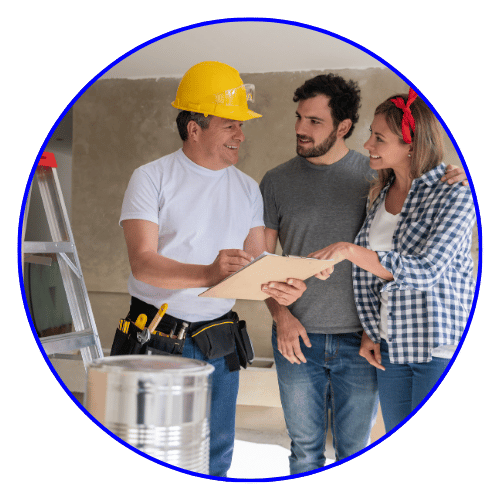
Remodeling and renovation companies

Architects and engineers

Safety managers and inspectors

HR Professionals in Construction Industry
The Safety of Using The Language of Your Latino Workers
When Carlos, a seasoned foreman from Texas, yelled “Stop, it still has electricity!” to warn a new crew member about a live wire, he never imagined his words wouldn’t be understood in time. The young worker, who spoke only Spanish, froze in confusión, a split second that could have ended in tragedy. The near miss left Carlos shaken, but it also opened his eyes to a reality many construction sites quietly face every day: communication barriers born from language ignorance.
In an industry where safety depends on speed, clarity, and teamwork, not speaking your coworkers’ language isn’t just inconvenient, it’s dangerous. Yet, thousands of supervisors, foremen, and contractors across the U.S. still rely on hand gestures or fragmented “Spanglish” to get through a day’s work. This lack of linguistic understanding has real costs: accidents, mistrust, and lost productivity.
Recognizing the power of language as a tool for safety and connection can change everything. Learning Spanish through specialized online programs isn’t simply an education tren, it’s a practical solution that builds safer, stronger, and more efficient construction teams. To understand how online Spanish classes can prevent incidents like Carlos’s near miss and open new career opportunities for workers and leaders alike, read this article to the end.
Online Spanish Classes for Construction Workers: The Key to Safer, Stronger, and More Efficient Teams
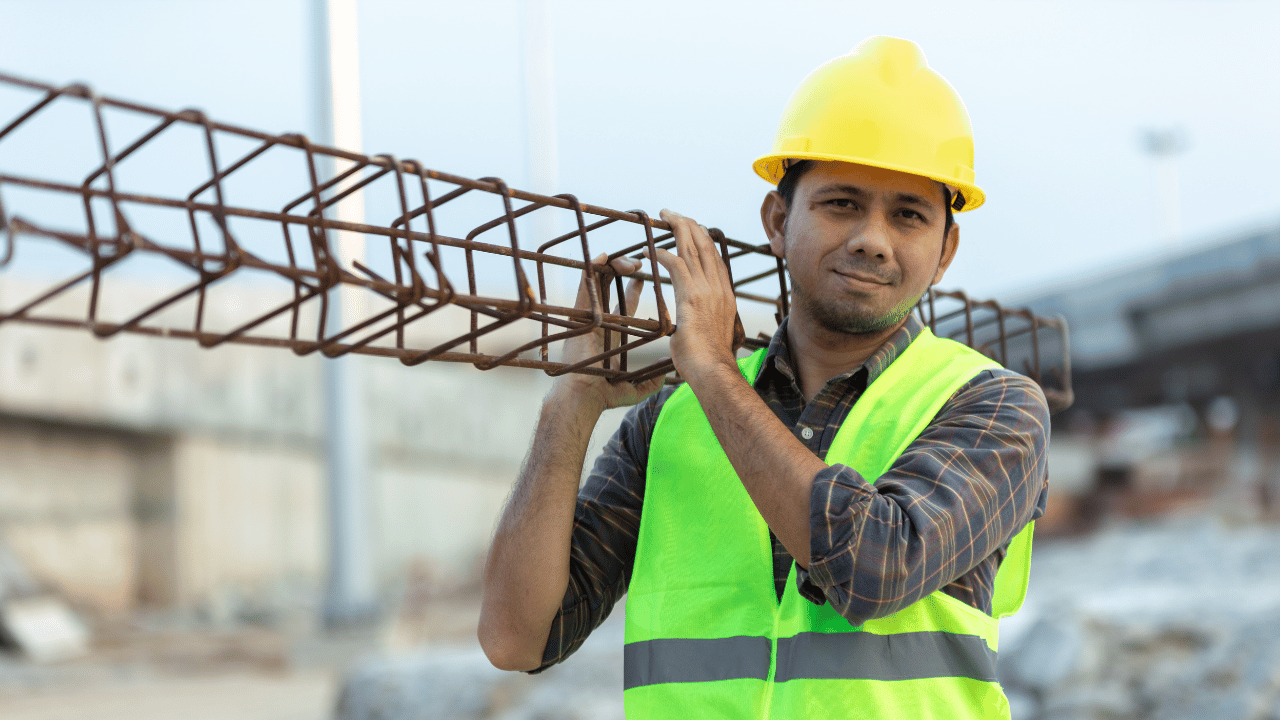
Why Learning Spanish Can Transform Your Construction Career
If you work in construction, you already know that communication is everything, especially on a busy job site. Instructions need to be clear. Safety depends on teamwork. We often focus on the tangible tools: the impact drivers, the excavators, the safety harnesses. But we rarely sharpen the most critical tool in our belt: language. With a workforce that is increasingly diverse, relying on hand signals and "Spanglish" isn't enough anymore. That’s why Online Spanish Training for the Construction Industry are becoming one of the smartest investments you can make in your career.
In the U.S., more than 30% of construction workers speak Spanish as their first language (source: U.S. Bureau of Labor Statistics, 2023). That means projects often bring together English-speaking supervisors, forepersons, and Spanish-speaking crews. When communication breaks down, mistakes, injuries, and delays follow. But when you can understand and be understood, work becomes faster, safer, and far more productive.
Let's analyze Carlos's experience, a seasoned foreman in Texas. Carlos told us about a terrifying near-miss he witnessed last year. A younger worker was about to cut into a wall that hadn't been fully de-energized. Carlos shouted, "Stop, it still has electricity!" in English. The worker, who had only been in the country for two months, hesitated, looking confused rather than stopping immediately. Fortunately, Carlos was close enough to physically intervene, but he lost sleep for weeks thinking about what could have happened. It wasn't that the worker was unskilled; it was that the warning didn't translate in the split second that mattered.
Let’s explore what makes these online classes so valuable, how they work, and where to find the right ones.
Benefits of Online Classes
We know what you are thinking: "Who has time for school?" You are up at 5:30 AM, on site by 7:00, and by the time you get home, you are exhausted. The idea of driving to a community college for a night class feels impossible. This is where the flexibility of online classes changes the game. Unlike traditional schooling, online platforms designed for the trades focus on high-impact vocabulary immediately. You don't need to learn how to ask "Where is the library?" You need to know how to say "Put on your hard hat" (Ponte el casco) or "Dangerous voltage" (Voltaje peligroso).
What should online Spanish classes for construction workers be like?
Online Spanish classes tailored for construction professionals are specialized language programs that focus on industry-specific communication. Unlike general Spanish lessons, these courses teach the exact words and phrases you’ll need on site: from safety gear names to commands and emergency language.
How These Classes Work
Most programs combine visual learning, listening exercises, and hands-on simulations. They often include:
- Interactive modules: Using real-life scenarios like pouring concrete, installing drywall, or operating equipment.
- Mobile Access to materials: So you can learn on your lunch break or commute.
- Voice recognition exercises: To help you practice pronunciation and understanding fast-paced speech.
- Bilingual instructors: Often with construction backgrounds, who understand your daily challenges.
In practice, learning a language tied directly to your environment is far more effective. Instead of learning abstract grammar rules, you’re memorizing what truly matters, for example: phrases like “Cuidado con la escalera” (Watch out for the ladder) or “Necesito el taladro” (I need the drill).

How Online Spanish Classes Improve Safety and Productivity
Clearer Communication Means Fewer Mistakes
Every construction site has a rhythm, and that rhythm depends on smooth communication. A common mistake is assuming that a few hand gestures or broken sentences are “good enough.” But in an environment with heavy equipment, timing and clarity save lives.
When supervisors can explain safety procedures in Spanish, or at least understand workers’ concerns, accidents drop significantly. According to OSHA data, construction sites reporting limited English proficiency among workers have 35% higher rates of preventable safety incidents compared to bilingual or English-fluent teams (OSHA, 2024.). Bridging that gap through language training can literally prevent injuries.
A Boost to Team Morale and Collaboration
Language serves as a bridge rather than only a tool. Let's say two employees, John and Luis, are attempting to plan a concrete pour. Everyone used to rely on body language or guessing. After practicing Spanish terminology for a few weeks, John was able to provide precise instructions that Luis could immediately verify. Both felt appreciated, and the task was completed more quickly. Collaboration comes naturally to teams that speak the same language. Productivity increases, managers are trusted, and employees feel appreciated.
Better Career Opportunities
Online Spanish classes don’t just make your current job easier, they open doors. Bilingual construction professionals are in high demand. Supervisors and foremen who speak both English and Spanish often earn 10–15% higher wages, according to PayScale data. That’s not just a perk, it’s a competitive advantage.
Where and How to Start Learning
Analyze your needs
You don't need to become a certified translator overnight. The goal is functional communication that builds trust and safety. Here is how you can start integrating Spanish learning into your daily operations right now.
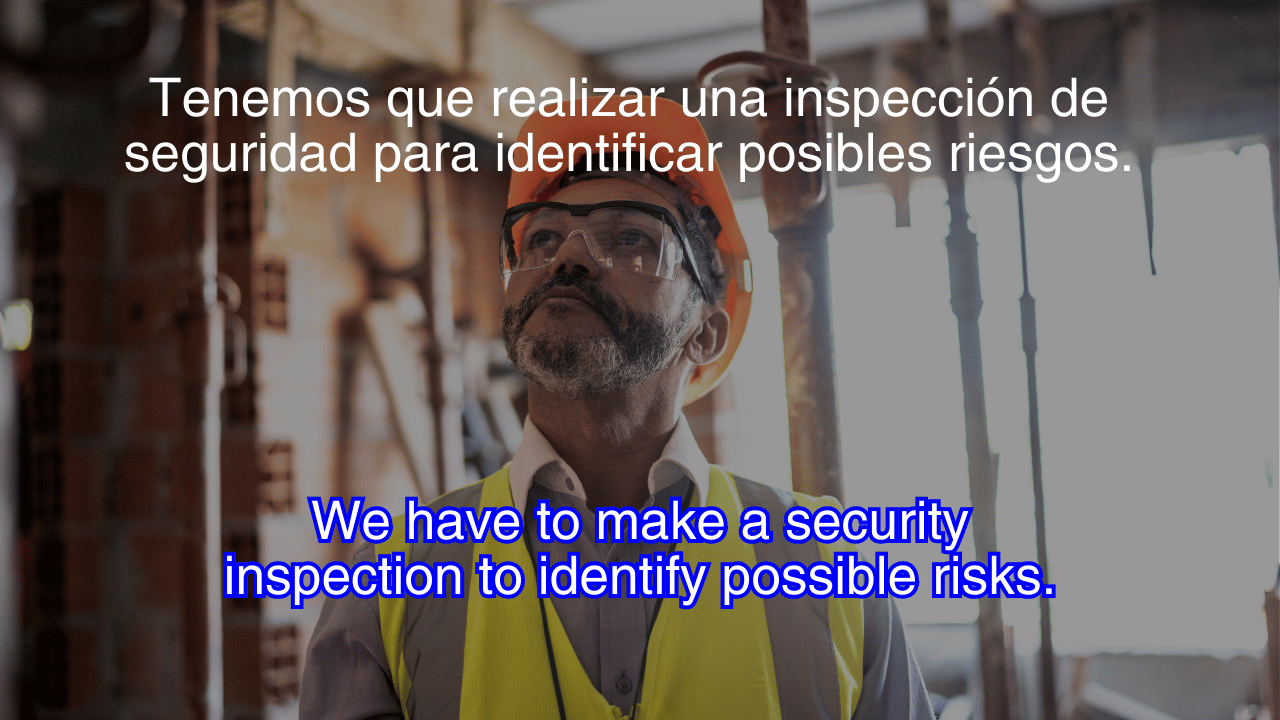
Audit your needs. Do you need your supervisors to be fluent, or do they just need "Command Spanish"? Command Spanish refers to memorizing specific, imperative phrases for safety and task management.
Learn together with everyone involved. A common mistake we see is management forcing learning without support. Instead, incentivize it. Offer a small bonus for supervisors who complete the first 20-hour online Spanish course.
Finally, practice humility. When you start speaking Spanish to your crew, you will make mistakes. You might pronounce "clavo" (nail) wrong. That's okay. Your crew will appreciate the effort. It bridges the "us vs. them" mentality that plagues so many job sites.
Choosing the Right Platform
When selecting an online Spanish program for construction, focus on:
- Industry-specific content: Make sure the lessons include construction vocabulary, safety phrases, and workplace interactions.
- Flexibility: Choose a platform that lets you learn at your own pace.
- Certified instructors: look for certified instructors to teach your classes, as this will ensure that the lessons are of the highest quality.
Practical Tips to Get the Most Out of Your Classes
- Set small goals: Spend 10 to 15 minutes a week reviewing what you learned in class, then you can increase the time. Consistency outweighs intensity.
- Pair with practice: Speak with Spanish-speaking coworkers or instructors whenever possible.
- Keep a vocabulary notebook: Write down new terms like “escalera,” “mezcladora,” or “arnés.”
- Use media: Watch short video tutorials or listen to construction podcasts in Spanish.
Jake, a general contractor, began learning Spanish online during downtime between projects. Within six months, he could brief a Spanish-speaking subcontractor without using a translator, and his reputation in the local market skyrocketed.
When and Why to Invest in Online Spanish Learning
Timing Is Everything
The best moment to start learning Spanish for construction is before you need it. Many workers wait until a language barrier causes frustration. But building skills early prevents tension and delays later on. If you’re a team leader or foreperson, consider arranging classes for your crew. Group courses can be more engaging and cost-effective. Plus, they help foster unity and mutual respect from day one.
Why It’s Worth the Effort
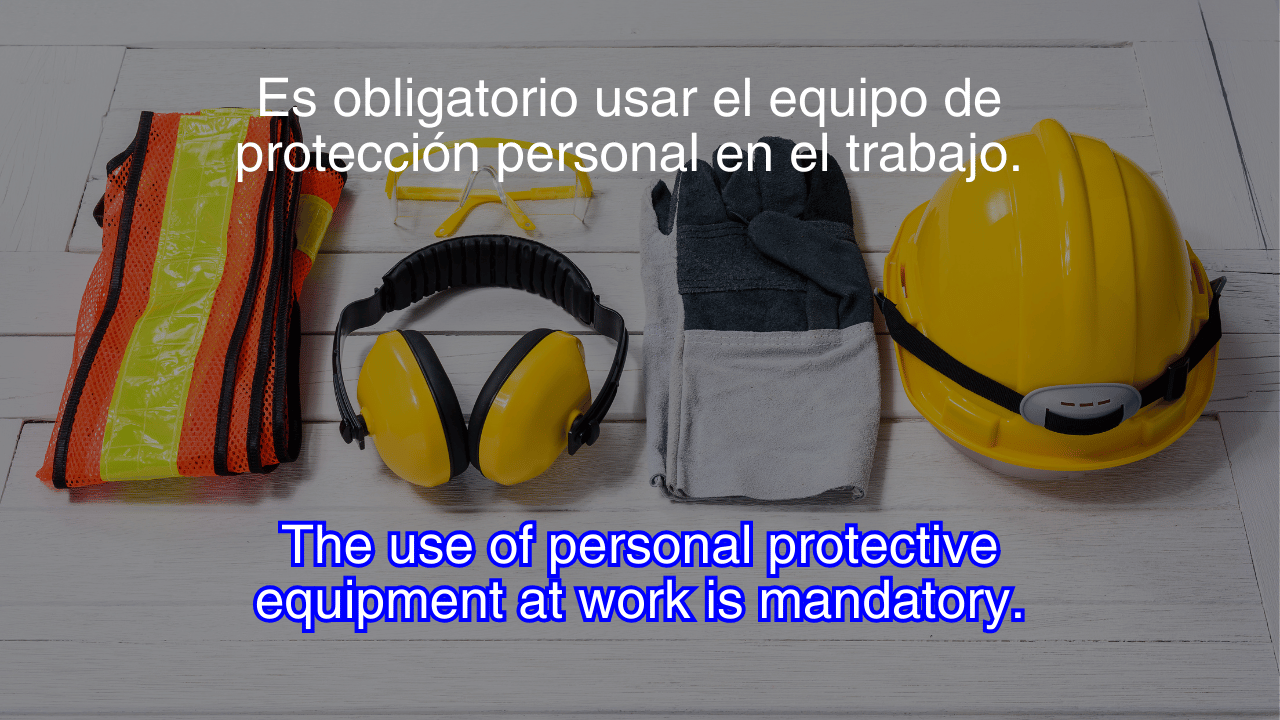
- Safety: Understanding safety signs and warnings in both languages reduces accidents.
- Efficiency: Clear communication speeds up work and minimizes rework.
- Inclusivity: When every worker feels heard, team spirit and loyalty rise.
- Professional growth: Adding “Bilingual (Spanish-English)” to your resume is a tangible career asset.
Final Thought: Online Spanish classes for construction workers aren’t just about learning a new language, they’re about building safer sites, stronger teams, and better futures. By bridging communication gaps, you’re not only improving your own career prospects but contributing to a more connected and respectful industry.
Frequently Asked Questions for Virtual Spanish Courses for Construction Workers
How long does it take to learn basic Spanish for construction work?
Most online programs are structured so you can handle simple workplace interactions in four to eight weeks if you practice daily. The key is consistency. In practice, short daily sessions are more effective than cramming once a week. The actual time depends on how much time each person spends learning and their level of Spanish.
Do I need to be fluent in Spanish to benefit from these classes?
Not at all. Even learning basic commands, safety instructions, and tool names can dramatically improve communication and reduce misunderstandings. Fluency is great, but comprehension and effort alone already build better teamwork.
What problems can it cause not to speak Spanish in the construction industry?
Poor or non-existent communication between workers leading to project delays, work errors that need to be corrected, worker safety issues, loss of productivity due to language barriers, and lack of worker integration into the team, among other things.

Would you like to learn more Spanish online for the construction industry?
Because every command, every safety message, every project depends on clear communication.
Advantages of Learning Spanish for Business Professionals
It's estimated that around 50-60% of the construction and manual labor workforce in the state of Texas is of Hispanic origin. With such a significant number of Spanish-speaking construction workers, bilingualism can significantly enhance communication and safety on job sites, leading to improved productivity and fewer accidents.
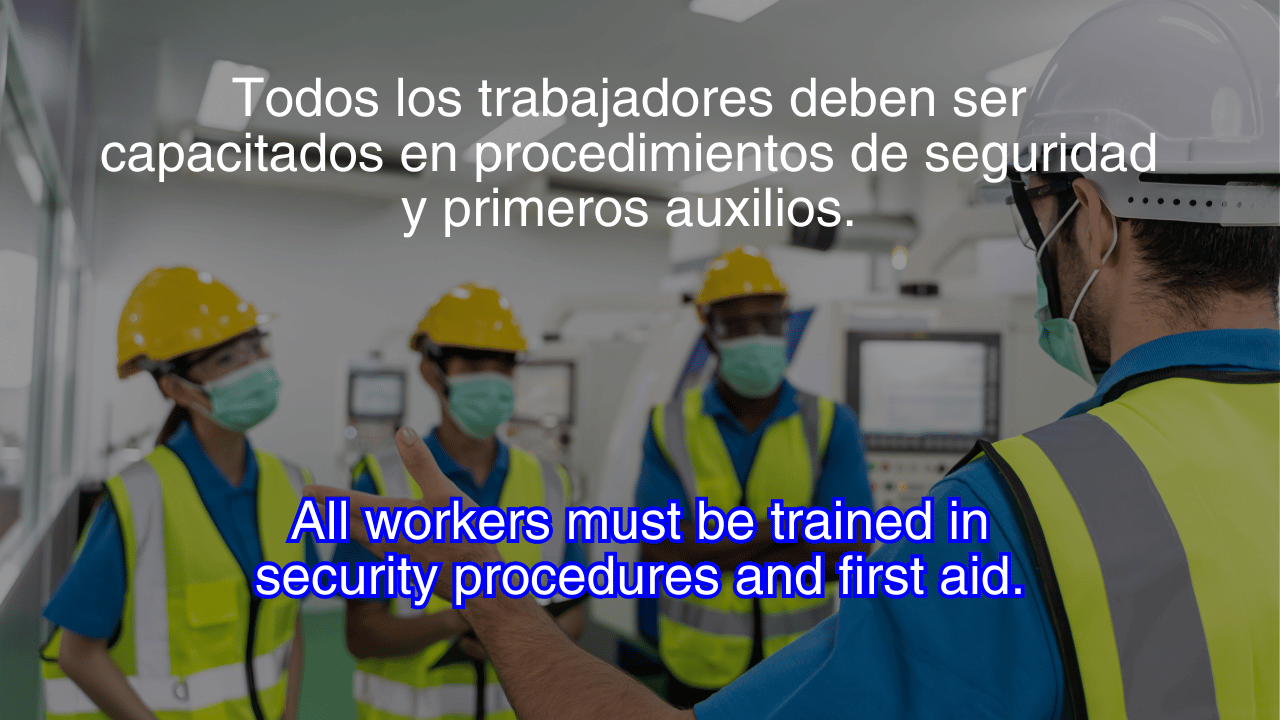
Spoken Learning's online training is meticulously crafted to enable English-speaking supervisors to comprehend and effectively convey safety and health-related Spanish terminology to their Spanish-speaking employees. After completing this course, participants will:
Protect Your Team and Your Business: The Smart Way
Every day, you rely on your crew to get the job done safely and efficiently. But when safety messages or instructions get lost in translation, a simple misunderstanding can turn into a serious accident, or an expensive compliance issue.
That’s where our Online Spanish Training come in. Designed specifically for the construction industry, our program bridges the communication gap between English-speaking managers and Spanish-speaking workers. You’ll see clearer communication on-site, faster comprehension of safety protocols, and fewer compliance worries.
Don’t wait for miscommunication to cause the next preventable accident. Investing in language training isn’t just Smart, it’s the most proactive step you can take to protect your people.
Request Your Free Corporate Training Assessment
Start Learning Spanish Today!
Ready to embark on a journey of language and culture? Join Spoken Learning today and unlock endless opportunities with our online Spanish lessons. Our dedicated native-speaking teachers will tailor learning sessions to your unique style, ensuring your success. Step into a world of connection and enrichment – start your transformative journey now!
At Spoken Learning, we open new doors to opportunity through one-on-one online Spanish courses with a win-win culture and dedicated native-speaking teachers. Our classes are tailored to your needs, adjusting to match your learning style and providing instant personalized feedback to track your progress. Learn, grow, and enrich your life today!